

Quick Answer: What's the Best Way to Clean a Fabric Couch?
The best way to clean a fabric couch is to vacuum it first, spot test a fabric-safe upholstery cleaner, gently blot the fabric and allow it to dry completely. Avoid soaking the upholstery or scrubbing aggressively.
A couch is one of the most used pieces of furniture in any home. Families relax on it, guests sit on it and pets often curl up there. Over time, fabric couches and upholstered furniture collect dust, stains and odours. If you clean them the wrong way, you can damage the fabric or leave water marks. If you clean them properly, they stay comfortable and look good for years.
Keeping these concerns in mind, this guide explains how to clean a couch and upholstered furniture the right way using simple, safe steps that work for real homes in Etobicoke. It also covers cleaning furniture upholstery in a practical way, focusing on real problems homeowners face and clear solutions that actually work.
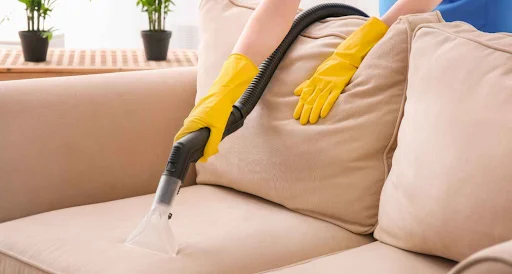
Why Proper Couch and Upholstery Cleaning Matters
Fabric furniture traps more dirt than most people realise. Dust, food crumbs, body oils and pet hair settle deep into the fibres. Without regular upholstery cleaning, the fabric colour becomes dull, bad odours develop and the furniture wears out faster.
Proper Cleaning Furniture Upholstery Helps:
- Keep your clean sofa couch looking fresh and tidy
- Reduce allergens inside the home
- Prevent stains from setting permanently
- Extend the life of cushions and fabric
Many people rush the cleaning process or use strong household cleaners. This often causes more harm than good. Learning how to clean upholstery the right way helps you save money and avoid damage to your couch and upholstered furniture.
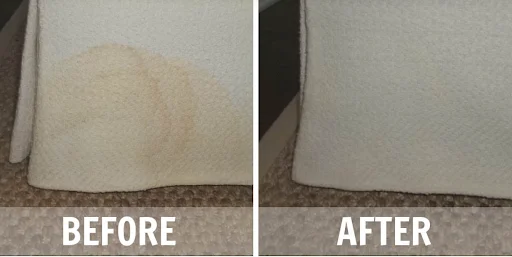
Check Your Upholstery Fabric Before Cleaning
How to Find the Upholstery Cleaning Code
Before you clean a fabric couch, always check the upholstery cleaning code on the manufacturer’s tag. This tag is usually found under the seat cushions or along the back of the furniture.
These codes tell you which upholstery cleaner / couch cleaner is safe to use. Using the wrong product can damage the fabric.
Upholstery Cleaning Codes Explained
Code W
If you see Code W, water-based cleaners are safe. This means you can use water or a mild upholstery cleaner for spot cleaning. It does not mean the couch can be washed in a machine.
This code is common for homeowners learning how to clean upholstery fabric safely at home.
Code S
Code S means solvent-based cleaners only. These are stronger products used for oil-based stains. Water should not be used on this fabric.
For large stains or deep cleaning upholstered furniture, professional cleaning is often the safest option.
Code WS
Code WS allows both water-based and solvent-based cleaners. Even with this flexibility, always spot test first to choose the safest method.
This code is often seen on mixed materials, where cleaning furniture upholstery requires extra care.
Code X
Code X means no liquids at all. Water and solvents can damage the fabric. These items should only be vacuumed or brushed gently using a soft, dry brush. If you are unsure how do I clean upholstery marked with Code X, avoid liquids completely.
If the tag is missing, test any cleaner on a hidden area before cleaning the full surface. This step helps prevent permanent damage.
Why Fabric Type Makes a Difference
Different fabrics absorb moisture in different ways. Microfiber, cotton blends and linen all react differently to water and cleaners. Using the wrong method can cause fading, stiff fabric or water rings.
This is why many homeowners ask, how do I clean upholstery without ruining it. The best way to start upholstery cleaning is by knowing your fabric type and following the correct cleaning code.
How to Clean a Fabric Couch Step-by-Step
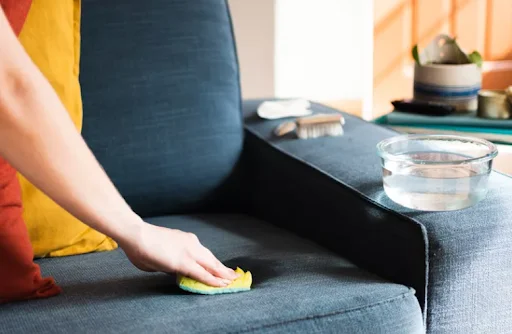
Cleaning a fabric couch the right way helps protect the material and keeps it looking fresh. Before you begin, it is important to prepare properly. Using the right tools and gentle methods is the best way to clean fabric couch surfaces without causing damage.
This step-by-step approach works well for most homes and is suitable for regular upholstery cleaning.
Tools You Need for Upholstery Cleaning
Before you start cleaning furniture upholstery, gather these basic items:
- Vacuum with an upholstery attachment
- Soft brush or microfiber cloth
- Upholstery cleaner / couch cleaner suitable for fabric
- Clean bowl of water
- Dry towels
These tools are enough for most at-home jobs when learning how to clean a fabric couch safely.
Step 1: Vacuum the Couch Thoroughly
Start by vacuuming the entire couch. This removes loose dirt, dust and crumbs that can spread during cleaning.
Pay close attention to:
- Seat cushions
- Seams and edges
- Armrests and back cushions
Vacuuming first is essential when you want a clean sofa couch without streaks or muddy stains.
Step 2: Spot Test the Cleaning Product
Before applying any product, test it on a hidden area of the couch.
- Apply a small amount of cleaner
- Wait 10 to 15 minutes
- Check for colour fading or fabric damage
This step is critical when learning how to clean upholstery fabric safely.
Step 3: Clean the Couch Fabric Gently
Once the couch is vacuumed and spot tested, you can begin cleaning the fabric.
For most water-safe upholstery:
- Use a small amount of upholstery cleaner mixed with water
- Lightly dampen a clean cloth
- Blot the fabric gently instead of scrubbing
This method helps remove surface dirt without damaging the fabric fibres.
It works well when you are searching for:
- How to clean a fabric couch
- How to clean a material sofa
- How to clean a cloth couch
Avoid soaking the upholstery. Too much moisture can damage the padding underneath and may lead to odours or longer drying times. Gentle cleaning keeps your sofa looking fresh while protecting the fabric over time.
Step 4: Let the Couch Dry Completely
Proper drying is just as important as cleaning.
- Open windows for airflow
- Use a fan if needed
- Do not sit on the couch until it is fully dry
Allowing the couch to dry fully helps prevent water marks and keeps your cleaning furniture upholstery results looking even.
How to Remove Common Couch Stains
Food and Drink Stains
Spills should be handled quickly to prevent permanent marks.
- Blot the area right away with a dry cloth
- Use a mild upholstery cleaner / couch cleaner for coffee, juice or sauce
- Never rub hard, as this pushes the stain deeper into the fabric
This is the safest way to remove stains on a couch without spreading them or damaging the fabric.
Pet Hair and Odours
Pet hair sticks tightly to upholstery and can be hard to remove.
- Vacuum slowly using an upholstery attachment
- Use a lint roller for stubborn hair
- Lightly mist the fabric with water to loosen trapped hair
To disinfect a fabric couch safely, use a fabric-approved upholstery cleaner designed to kill bacteria without oversaturating the material. Avoid harsh disinfectants that can damage fibres.
Cleaning Upholstered Furniture With Vinegar
Vinegar can help with light stains and mild odours when used carefully.
- Mix equal parts water and white vinegar
- Lightly blot the area with a clean cloth
- Allow the fabric to air dry fully
This method works best for cleaning upholstered furniture with vinegar on durable fabrics only. Avoid vinegar on delicate materials and always test a small hidden area first.
Best Way to Clean Upholstered Furniture Without Damage
Upholstery Cleaner vs DIY Solutions
Using a store-bought upholstery cleaner / couch cleaner is often the safest choice. These products are made to protect fabric while removing dirt and stains. DIY methods, such as cleaning upholstered furniture with vinegar, can help with light odours but are not the best way to clean fabric couch stains that are deep or old.
If you are unsure, choosing the best product to clean upholstered furniture that is made for fabric sofas is the safest option.
How Often Upholstery Should Be Cleaned
A simple routine helps keep your clean sofa couch in good shape:
- Vacuum upholstered furniture once a week
- Spot clean stains as soon as they appear
- Deep cleaning upholstered furniture every 6 to 12 months
Homes with kids or pets often need more frequent upholstery cleaning to keep fabric fresh and hygienic.
When Professional Cleaning Makes Sense
Professional cleaning may be needed when:
- Stains are old and hard to remove
- Odours come back after cleaning
- Fabric looks dull even after proper care
In some cases, cleaning costs add up without improving the look of the furniture. When this happens, replacing worn pieces can be a more practical long-term solution.
Common Couch and Upholstery Cleaning Mistakes to Avoid
These common mistakes often lead to damaged furniture and shorten the life of your couch:
- Using too much water while cleaning furniture upholstery, which can soak the padding and cause odours
- Scrubbing fabric aggressively instead of gently blotting when learning how to clean upholstery fabric
- Ignoring fabric cleaning codes when trying to clean a sofa couch
- Using harsh household chemicals instead of a proper upholstery cleaner / couch cleaner
Avoiding these mistakes helps keep your clean sofa couch comfortable, fresh and presentable for years.
DIY Cleaning vs Replacing Upholstered Furniture
DIY Cleaning Makes Sense When:
- The fabric is in good condition and responds well to upholstery cleaning
- Stains are recent and can be removed with proper cleaning furniture upholstery methods
- Cushions still hold their shape after deep cleaning upholstered furniture
Replacement Makes Sense When:
- The fabric is worn, faded or damaged beyond safe upholstery cleaning
- Stains keep returning even after how to clean upholstered furniture methods are used
- Comfort is gone and cushions no longer support daily use
In these cases, investing in a new clean sofa couch is often more practical than repeated cleaning furniture upholstery at home.
If you are unsure, seeing materials and finishes in person can help you decide what works best for your space and lifestyle.
Visit the New Gill Furniture showroom in Etobicoke to explore durable upholstered furniture designed for everyday comfort and easy maintenance.
Upholstery Cleaning Checklist
| Step | Action |
|---|---|
| Check fabric tag | Confirm the cleaning code before cleaning furniture upholstery |
| Vacuum | Remove loose dirt from your clean sofa couch |
| Spot test | Test the upholstery cleaner / couch cleaner in a hidden area |
| Clean gently | Blot to clean upholstery fabric, do not soak |
| Dry fully | Allow proper airflow after upholstery cleaning |
Why This Checklist Matters
Following this checklist helps you understand how to clean upholstered furniture safely. It reduces the risk of fabric damage and makes cleaning furniture upholstery easier and more effective at home.
Looking for Easy-to-Maintain Upholstered Furniture in Etobicoke?
If your couch or chairs are hard to clean, stained often or no longer comfortable, it may be time for an upgrade. Constant upholstery cleaning and cleaning furniture upholstery can become frustrating when the fabric is not built for daily use.
At New Gill Furniture, we help Etobicoke homeowners choose durable fabrics that are easier to care for and designed to stay a clean sofa couch longer. Our team can guide you on how to clean upholstered furniture properly and help you select materials that resist stains and wear.
Visit our Etobicoke showroom or speak with a furniture care specialist today to explore upholstered furniture made for comfort, long life and easy maintenance.
This small step can save you time, effort and repeated cleaning in the future.
Frequently Asked Questions About Cleaning a Couch and Upholstery
1. How do you clean a fabric couch at home?
Start by vacuuming the couch to remove dust and crumbs. Spot test a mild upholstery cleaner / couch cleaner, then gently blot the fabric. Let the couch dry fully before use.
2. What is the best way to clean upholstered furniture?
The best way to clean upholstered furniture is to use a fabric-safe cleaner with very little water. Always blot instead of scrubbing to protect the fabric and padding.
3. Can vinegar damage upholstery fabric?
Yes, vinegar can damage some fabrics and cause fading. Cleaning upholstered furniture with vinegar should only be done after a spot test on a hidden area.
4. How often should upholstery be cleaned?
Vacuum weekly to remove surface dirt and pet hair. Deep cleaning upholstered furniture every 6 to 12 months helps keep it fresh and long-lasting.
5. Is steam cleaning safe for fabric couches?
Steam cleaning is safe only for certain fabrics with the correct cleaning code. Always check the tag before using steam on a clean sofa couch.
6. How do I clean upholstery without water marks?
Use a slightly damp cloth instead of soaking the fabric. Blot evenly across the area when learning how to clean upholstery without leaving marks.
7. What is the best product to clean upholstered furniture?
The best product to clean upholstered furniture is a cleaner made specifically for fabric sofas. Avoid harsh household cleaners that can damage upholstery.