
A missed delivery window, a discontinued fabric, or a bed that cannot be resized can quickly turn a profitable project into a costly service issue. For trade buyers, the question “furniture manufacturer vs furniture store: which should you choose?” is not simply about where to purchase. It is about control over product, margins, timelines, and the client experience your business delivers.
A furniture store can be the right source when you need immediate access to established inventory. A manufacturer is often the stronger partner when your project requires custom dimensions, repeatable quality, dependable production communication, or volume support. The best choice depends on what you are buying, who you are buying for, and how much flexibility the project demands.
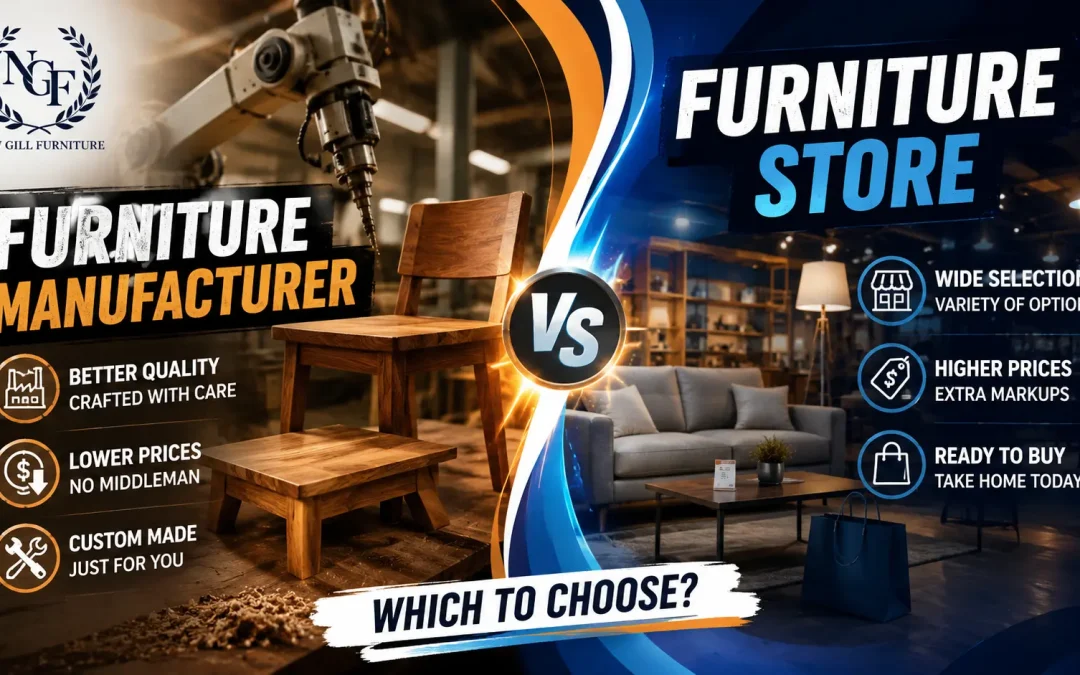
Furniture Manufacturer vs Furniture Store: The Core Difference
A furniture store is primarily a sales channel. It curates products from one or several brands, holds selected inventory, and helps customers choose from available collections. Stores are valuable for seeing finished pieces in person, comparing styles quickly, and purchasing in-stock items without managing manufacturing details.
A furniture manufacturer builds the product. That distinction matters when specifications are not fixed. Manufacturers can work from a standard frame and adapt the fabric, leather, finish, size, leg style, cushioning, storage configuration, or design detail to suit the order. For retailers, designers, and hospitality buyers, this direct connection can make the difference between selling what is available and delivering what the project actually requires.
The manufacturer relationship is also more operational. You are discussing construction, production schedules, material availability, minimum quantities, and delivery requirements. It takes more planning than buying from a showroom floor, but it gives qualified trade buyers greater influence over the final result.
When a Furniture Store Makes Sense
A store is often the practical choice for a single item needed quickly. If a client needs a side table, accent chair, or ready-made bedroom piece for an immediate installation, available inventory can outweigh the benefits of customization. The product has already been produced, priced, and displayed, which reduces the time required to make a purchase decision.
Stores also make sense when a buyer is still determining a client’s style direction. Seeing a broad assortment of furniture in one location can help a designer narrow down preferred silhouettes, colors, and price points. For consumers making one-off purchases, the retail experience may provide all the support they need.
For trade professionals, however, retail sourcing can create limitations once a project becomes more complex. Floor models and catalog pieces may not be available in the required dimensions. A collection may be discontinued before a second phase begins. The retailer may not have access to detailed construction information, alternate materials, or production-level options. These challenges are manageable for a simple purchase but can become serious on multi-room, multi-unit, or deadline-sensitive work.
Why Trade Buyers Work Directly With Manufacturers
Direct manufacturing is built for buyers who need consistency beyond a single transaction. A retailer may need a dependable upholstered bed program that supports multiple fabrics and finishes. A design studio may need a sectional adjusted to fit an architectural plan. A hospitality purchaser may need coordinated seating and case goods produced at volume with repeatable specifications.
In these situations, the value is not merely custom furniture. It is a production partner that understands how the item will be sold, specified, installed, and supported after delivery.
Greater control over customization
Customization is most useful when it solves a specific commercial or design problem. A manufacturer can often adjust a headboard height for a boutique hotel room, modify sofa dimensions for a condominium layout, or match an approved finish across bedroom furniture, coffee tables, storage pieces, and TV stands.
The right partner will also help buyers make practical choices. A beautiful fabric may not be appropriate for a high-traffic hospitality setting. A larger sectional may improve comfort but complicate delivery access. A manufacturer with hands-on construction knowledge can identify these issues before production begins, rather than after the furniture reaches the site.
Better visibility into quality and materials
Retail descriptions often focus on appearance. Manufacturers can speak directly to what sits beneath the upholstery or finish: frame construction, support systems, foam selection, fabric performance, joinery, and hardware. That visibility helps buyers specify furniture based on expected use, not just a product photo.
For a showroom owner, consistent construction protects the reputation of the store. For a designer, it reduces the risk of placing an attractive but unsuitable item in a demanding environment. For a procurement team, it creates a clearer basis for comparing value across competing quotes.
Handcrafted Canadian production can be especially valuable when quality standards and communication matter. New Gill Furniture supports trade buyers with bench-crafted wood and upholstered furniture designed around material choice, tailored specifications, and reliable production support.
Stronger support for repeat and volume orders
A store can supply repeat orders if the same collection remains available. A manufacturer is better positioned to plan repeatability into the relationship. Once a product specification is approved, the same frame, finish, fabric program, and detailing can be used across future client orders or additional project phases.
This is important for dealers building recognizable assortments and for hospitality teams furnishing multiple rooms or properties. The buyer gains a more stable product program instead of repeatedly starting the sourcing process from zero.
Lead Times: Fast Is Not Always Immediate
One of the most common assumptions is that a store is always faster than a manufacturer. That is true when the exact item is in stock and ready for pickup or shipment. It is not always true when a retail item must be ordered from an offshore supplier, transferred between warehouses, or replaced because the available version does not meet project requirements.
Manufacturing lead times should be discussed early and clearly. Custom work requires time for material confirmation, production scheduling, upholstery or finishing, quality review, and freight coordination. A reliable manufacturer does not promise unrealistic dates. Instead, it provides a workable production window and communicates quickly if a material or specification affects that schedule.
For many trade projects, fast turnaround means dependable execution, not instant availability. An accurate timeline that allows for installation planning is more valuable than a vague delivery promise that changes after the order is placed.
The Margin and Pricing Question
Retail pricing is straightforward for a one-time buyer. The price is visible, and the transaction is simple. For dealers and professional buyers, direct manufacturing can offer a more sustainable commercial model because it supports wholesale pricing, product differentiation, and a clearer path to protecting margin.
That does not mean a manufacturer is automatically the lower-cost option. Premium materials, Canadian labor, custom engineering, and small production runs all affect price. The better question is whether the product’s construction, flexibility, service life, and selling potential justify the investment.
A lower-priced retail piece can become expensive if it fails early, cannot be reordered, or forces costly compromises during installation. Conversely, a well-built custom piece can support stronger pricing because it gives the buyer a product story and specification that are difficult to replicate.
How to Choose the Right Source for Each Project
Start with the requirements that cannot change. If the project needs immediate inventory, a fixed budget, and no customization, a furniture store may be the most efficient route. If it requires a particular footprint, performance material, coordinated collection, repeat ordering, or production accountability, speak with a manufacturer first.
Before committing, confirm the details that affect execution: production lead time, material approvals, customization limits, freight planning, order minimums, warranty expectations, and who will be your point of contact. These conversations reveal whether a supplier is prepared to support a professional project or simply process an order.
The strongest sourcing strategy is rarely exclusive. Many successful retailers and designers use stores for quick-fill items while maintaining manufacturer relationships for their core upholstered, bedroom, custom, and volume programs. This approach keeps projects moving without giving up the ability to offer distinctive, durable furniture where it matters most.
Choose the source that gives you confidence not only at purchase, but also when your client asks for a revision, a repeat order, or a delivery commitment you need to keep.